
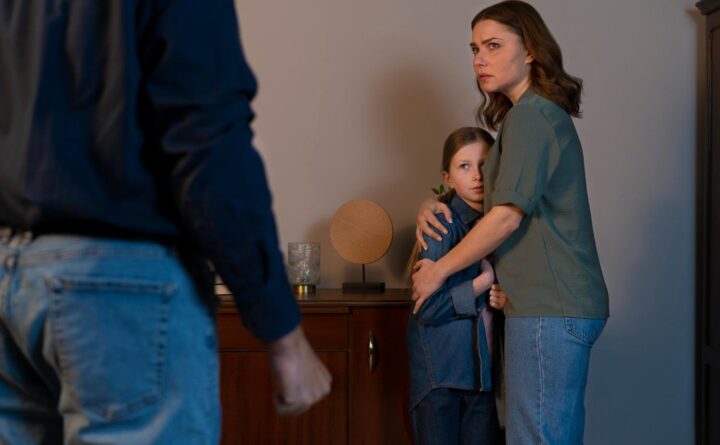
In the quiet neighborhoods and bustling streets of Atlanta, countless individuals silently endure domestic violence behind closed doors. The psychological and physical scars might remain hidden, but there is a path forward through Georgia’s legal system. Understanding how family law intersects with domestic violence cases can be the first step toward safety, healing, and justice.
Recognizing Domestic Violence in Atlanta Families
Domestic violence doesn’t discriminate. It affects people across all income levels, ethnicities, and neighborhoods throughout Atlanta. While physical abuse is often what comes to mind, domestic violence encompasses a broader spectrum of harmful behaviors:
- Physical violence or threats
- Emotional and psychological abuse
- Financial control and exploitation
- Stalking and intimidation
- Isolation from friends and family
Maria, a mother of two from East Atlanta, shares: “I didn’t realize I was experiencing domestic violence because he never hit me. But the constant threats, controlling my every move, and making me feel worthless were just as damaging. Understanding that this was abuse helped me take the first steps toward getting help.”
Legal Protections Available in Georgia
Georgia law provides several avenues for protection from domestic violence, but navigating these options can feel overwhelming when you’re already in crisis.
Temporary Protective Orders (TPOs)
A TPO, commonly called a restraining order, creates immediate legal distance between you and your abuser. In Atlanta, you can file for a TPO at the Fulton County Courthouse or DeKalb County Courthouse, depending on your residence.
According to Sandra Fuller Law, “The TPO process begins with an ex parte hearing where only the victim is present. If granted, this temporary order provides immediate protection until a full hearing can be scheduled, typically within 30 days.”
A comprehensive TPO can:
- Prevent the abuser from contacting or approaching you
- Grant temporary custody of children
- Provide temporary child support
- Address temporary possession of shared property or residence
- Require the abuser to surrender firearms
Family Violence Intervention Programs
Georgia courts often mandate that abusers complete certified intervention programs designed to address violent behaviors. These programs can be an important component of long-term safety planning.
Divorce and Custody Considerations
When domestic violence intersects with divorce proceedings, the dynamics become particularly complex. Georgia family courts are required to consider evidence of family violence when making custody determinations.
“Documentation is critical in these cases,” explains family law attorney Sandra Fuller. “From medical records to police reports to witness statements, building a comprehensive record of abuse helps courts make decisions that prioritize safety.”
Steps to Take When Seeking Protection in Atlanta
If you’re facing domestic violence in Atlanta, consider these important steps:
1. Prioritize Immediate Safety
If you’re in immediate danger, call 911. Georgia law requires police to respond to domestic violence calls and make arrests when appropriate.
2. Develop a Safety Plan
Work with local domestic violence organizations like the Partnership Against Domestic Violence or the Women’s Resource Center to create a personalized safety plan before making any major moves.
3. Gather Documentation
Begin collecting evidence of abuse: photographs of injuries, threatening text messages, voicemails, medical records, and police reports. This documentation will strengthen your case when seeking legal protection.
4. Consult with a Family Law Attorney
An experienced family law attorney familiar with domestic violence cases can guide you through the complex legal processes and advocate for your protection.
5. File for Appropriate Legal Remedies
With legal guidance, determine which protections—TPOs, divorce filings, or custody modifications—best address your situation.
6. Connect with Support Services
Atlanta offers numerous resources for domestic violence survivors, including counseling, support groups, and emergency housing. Organizations like the Atlanta Volunteer Lawyers Foundation provide pro bono legal assistance to those who qualify.
Hope for a New Beginning
Breaking free from domestic violence requires courage, support, and knowledge of your legal options. While the journey may seem daunting, thousands of Atlanta residents have successfully navigated this path toward safety and healing.
Remember that Georgia’s family law system offers concrete protections designed specifically for domestic violence situations. With appropriate legal guidance and community support, you can take steps toward a life free from abuse—a life where safety and wellbeing become possible again.
The road to recovery may be challenging, but you don’t have to walk it alone. Legal protection exists, and with the right support, you can access it.